Manufacturing capabilities
12,000 m² of production space in Taizhou, Zhejiang, running 8 lines with 420 staff. 92% of output exported to EU & US. Below is what actually happens to your cotton between the yarn order and the container.
260,000 pcs
Monthly capacity
300 pcs per style / per colour
Minimum order quantity
7–10 days
Proto sampling
AQL 2.5
Final inspection standard
Yarn and fabric development
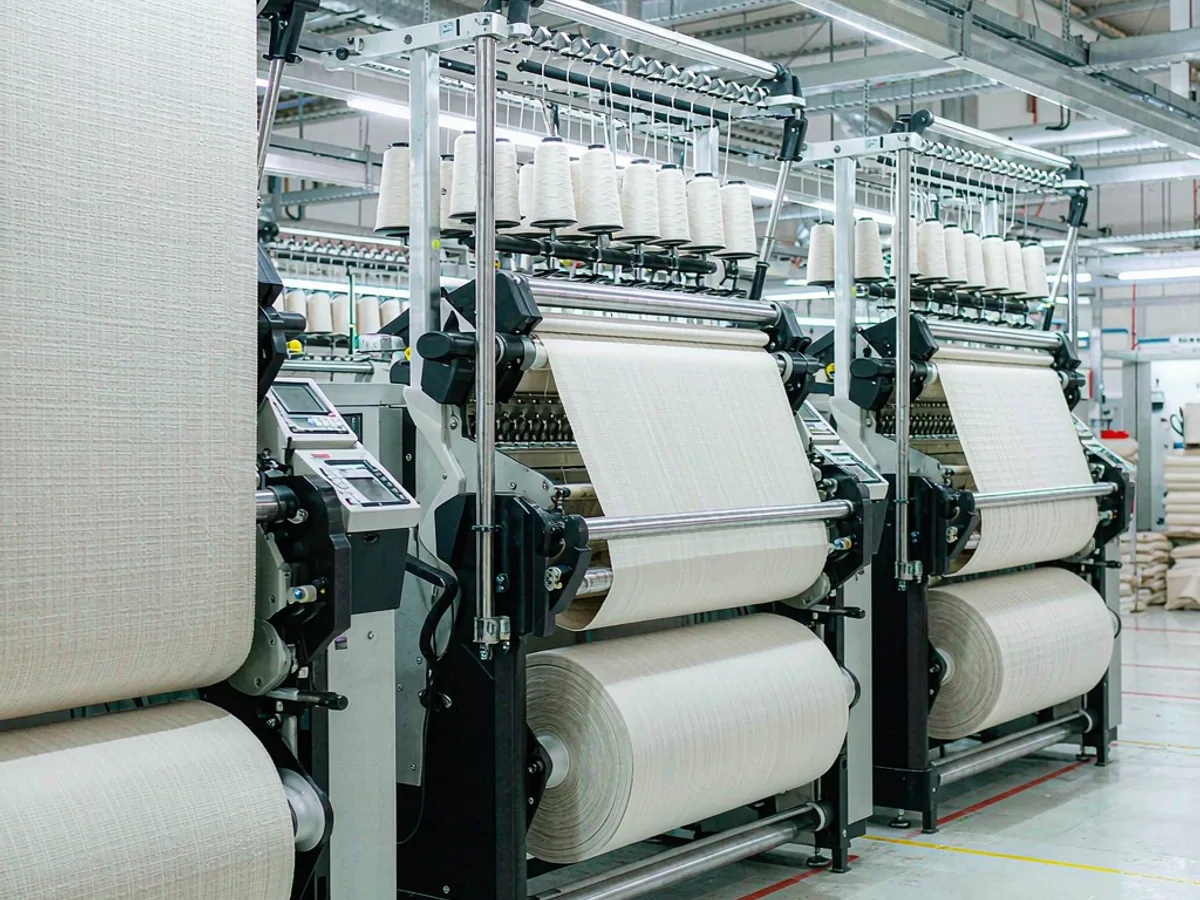
We specify yarn count, spinning route and loop length or weave before a single metre is made. Combed and carded ring-spun yarn from Ne 10 to Ne 60, open-end where loft matters, compact yarn where spirality does.
- Combed and carded cotton, Ne 10 – Ne 60
- Single jersey, pique, interlock, fleece, French terry, rib
- Poplin, oxford, twill, canvas, flannel, muslin
- 140–420 gsm knitted · 110–170 gsm woven
Dyeing and finishing
Reactive dyeing for depth and fastness, pigment dyeing for a washed-down vintage hand, and garment dyeing where the design calls for it. Compaction, sanforising and brushing are controlled to keep shrinkage inside the tolerance you specified.
- Reactive, pigment, garment and yarn dyeing
- Lab dips in 5–7 days against Pantone or your standard
- Compaction and sanforising for shrinkage control
- Enzyme, silicone, stone and acid washes
Cutting and sewing
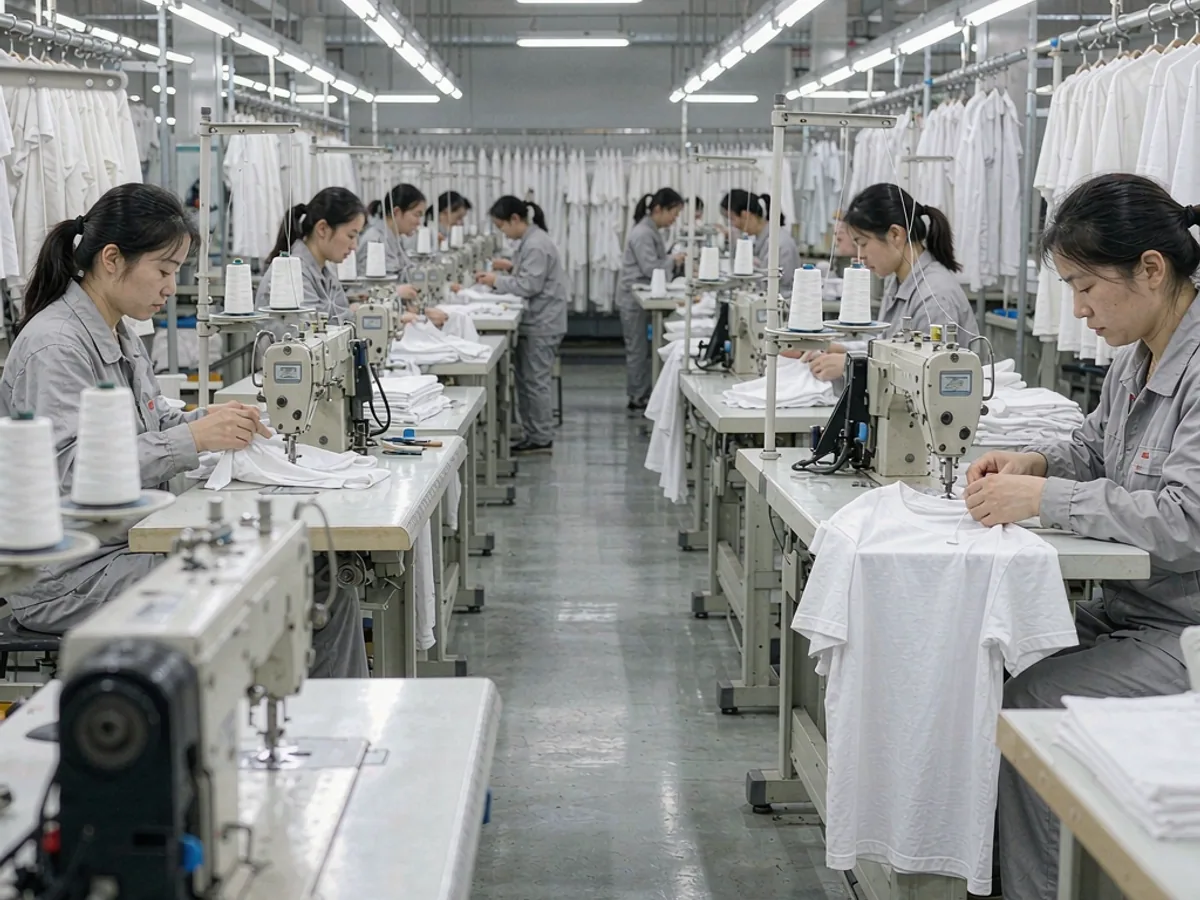
Eight lines split by construction, so knit and woven programmes do not compete for the same machines or the same operators. Pattern making, grading and marker making are in-house.
- 8 lines, 420 operators, 260,000 pcs monthly
- Six in-house pattern makers
- Overlock, flatlock, single-needle and flat-felled seams
- Fusing presses and collar jigs for woven shirts
Decoration
Print and embroidery are developed on the bulk fabric, and every strike-off or sew-out is approved before bulk cutting starts.
- Water-based, plastisol, discharge, puff and DTG/DTF
- Embroidery up to 12 colours, chenille and chain stitch
- Appliqué, patches and leather labels
- Heat-transfer labels for tagless programmes
Quality and testing
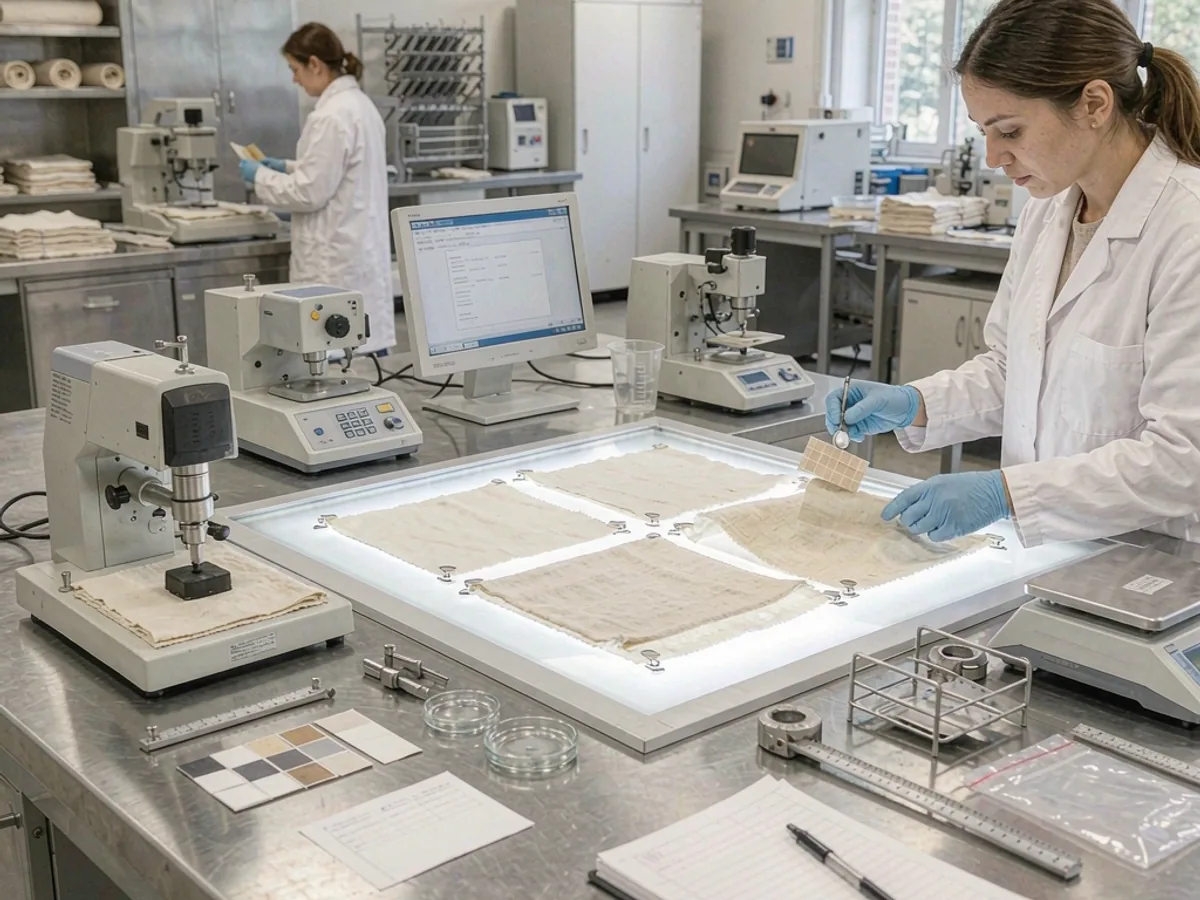
An in-house laboratory handles shrinkage, colour fastness, pilling and pH. Third-party testing is booked through SGS, Intertek or Bureau Veritas when a retailer requires an independent report.
- AATCC 135 shrinkage, ISO 105 colour fastness
- ISO 12945-2 pilling, EN ISO 3071 pH
- Needle detection on every carton
- In-line and final AQL 2.5 inspection, AQL 1.5 on request
Packing and logistics
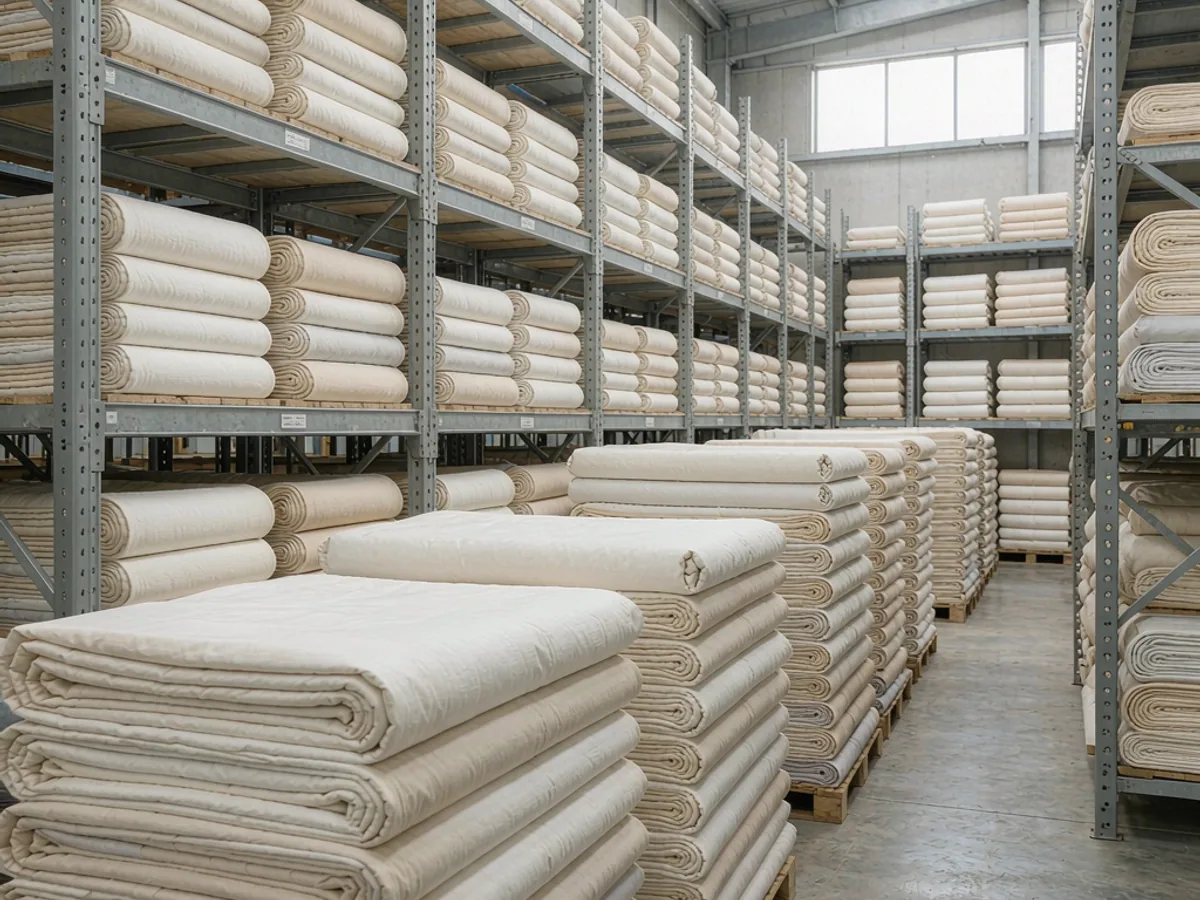
Retail-ready packing to your specification, with carton markings, barcode labels and documentation prepared to the destination market.
- Flat pack, hanger pack, gift box and individual hygiene pack
- Carton marking and GS1 barcode labels
- FOB Ningbo / Shanghai, CIF, DDP to EU and US
- Certificate of origin, packing list and test reports
Fabric range at a glance
| Construction | Weight range | Typical use |
|---|---|---|
| Single jersey | 140–260 gsm | T-shirts, base layers, pyjamas |
| Pique and interlock | 180–280 gsm | Polos, babywear, structured tees |
| French terry | 240–320 gsm | Sweatshirts, joggers, loungewear |
| Brushed fleece | 280–420 gsm | Hoodies, winter loungewear |
| Rib and waffle | 160–280 gsm | Cuffs, underwear, thermal layers |
| Poplin and oxford | 110–150 gsm | Shirts, dresses, kidswear |
| Twill and canvas | 240–340 gsm | Chinos, trousers, workwear |
| Flannel and brushed poplin | 140–220 gsm | Overshirts, sleepwear |
Want the equipment list and line capacity per category?
We share a detailed capability deck and, under NDA, our most recent audit report and inspection records.